How to sell tickets for a yoga workshop or class
Safara One team ·
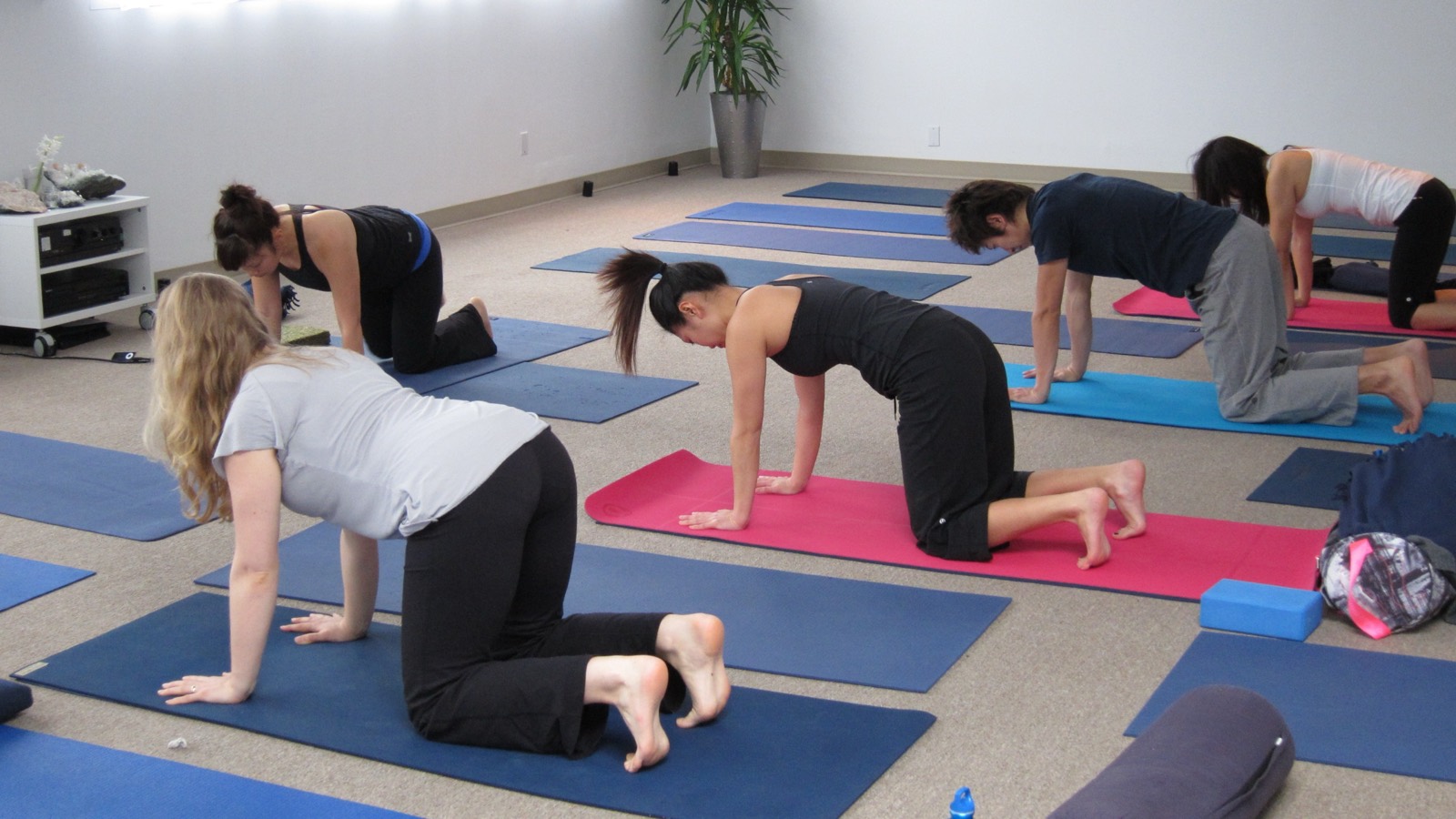

Selling spots for a yoga workshop is a little different from selling tickets to a concert. Space is set by the number of mats that fit in the room, people want to know the level before they book, and a calm start matters more than a fast one. Here's how to set up a workshop, class or weekend retreat so it fills up and runs smoothly, with the exact steps on Safara One.
Decide what you're selling
- A one-off workshop (an inversions workshop, a sound-bath evening, a beginners' series opener): one event, one date.
- A weekend retreat or immersion: one event with a start and end date. Multi-day events are fine.
- A weekly class: create each session as its own event. Safara One doesn't sell class passes or repeating events, so a four-week series is four events, or one event if people must commit to all four sessions together.
Set capacity by the room, not by hope
Count how many mats fit with space to move, and leave one or two spare for a late arrival or a student who needs more room. That number is your ticket quantity. When it sells out, the event shows as sold out and nobody arrives to find there's no space.
Ticket types help when the price differs between people. A few that work well for yoga:
- Drop-in and Mat included, if you lend mats for a small extra charge.
- Early bird, with a sales end date a week or two before (the calendar icon on a ticket type sets when its sales end).
- Community or Free: price 0 for a free community class. Free tickets have no fees at all.
Make the quantities add up to the number of mats, so the ticket types can't oversell the room between them.
Price it, and know what students pay
Look at your costs (room, your time, any props or tea) and what similar workshops nearby charge. Our guide to pricing event tickets works through an example.
On Safara One you receive the full ticket price, and the student pays a small booking fee on top. For a $30.00 workshop, the student pays $33.60 in total and you receive $30.00. There are no monthly fees, and free classes cost nothing. See pricing for other prices.
Write a page that answers the questions people ask
Most messages a yoga teacher gets before a workshop are the same few questions. Answer them on the event page and they'll stop:
- Who it's for: beginners welcome, some experience needed, or advanced. Say so in the first line.
- What happens: the style, the focus (hips, breath, inversions), and how the time is split.
- Who's teaching: two or three sentences about you and your training.
- Getting there: put the entrance, floor and parking in the description, for example "Studio B, second floor, side door on Queen St."
- A real photo of a class or the room as the cover image. It's also what people see when you share the link.
Add your studio rules
Every class has a few rules people need to know before they arrive. Put them under Event Options → Rules when you create the event. They're sent with every ticket, in the ticket email and when students open their tickets, so nobody can say they didn't see them. For example:
- Please arrive 10 minutes early; the door closes when class starts.
- Bring your own mat and a water bottle (or choose the Mat included ticket).
- Shoes off at the door; no outside food in the studio.
- Tell the teacher before class about any injury or pregnancy.
Rules are optional, and you can edit them any time from Edit event. If you need students to sign a waiver, ask your insurer what they require; rules on a ticket aren't a substitute for one.
Fill the first spots
Your current students are your first buyers. Tell them in class, in your newsletter and in a personal message, before posting anywhere public. An early-bird code gives them a reason to book now: one code per event, as a percentage or an amount off, with an optional number of discounted tickets (say the first 8) and an end date. The studio hosting you may also share it with their members.
For a week-by-week plan, see how to promote a small event.
The day before
Send one reminder from Manage Event → Messages. Each event includes one message to everyone with a ticket, so use it for the practical things: the time, the address, what to bring and where to go when they arrive. Use Send test to me first to check how it looks.
At the door
A yoga workshop should start calmly, not with a queue. Open Manage Event → Overview → Check in guest on your phone and scan each student's QR code as they arrive; each ticket checks in once. If you're teaching, ask a friend or the studio's front desk to scan for the first 15 minutes so you can greet people. Our guide to QR code check-in covers the details.
Afterwards
The guest list shows who came, and Insights shows when people bought. If most tickets sold the day you mentioned it in class, that's where to announce the next one. Put the next date up while students are still glowing from this one.
Questions
Can I sell a class pass or a monthly membership?
Not on Safara One. Each session is its own event with its own tickets. For a multi-week course that students take as a whole, create one event and describe all the dates in it.
Can I run a free community class?
Yes. Set the ticket price to 0. Free tickets get the same QR codes and check-in, and there are no fees for you or your students. See free event ticketing.
What if someone can't come?
All sales on Safara One are final, and buyers agree to that before they pay. Students can forward their ticket to a friend, since the QR code works for whoever shows it. Say this in your rules or description so people know.
Can I keep a workshop private, for my students only?
Yes. Choose Protected under Event Type and set a password. The event stays off Discover, and only people with the link and the password can book.