How to reduce no-shows at your event (free or paid)
Safara One team ·
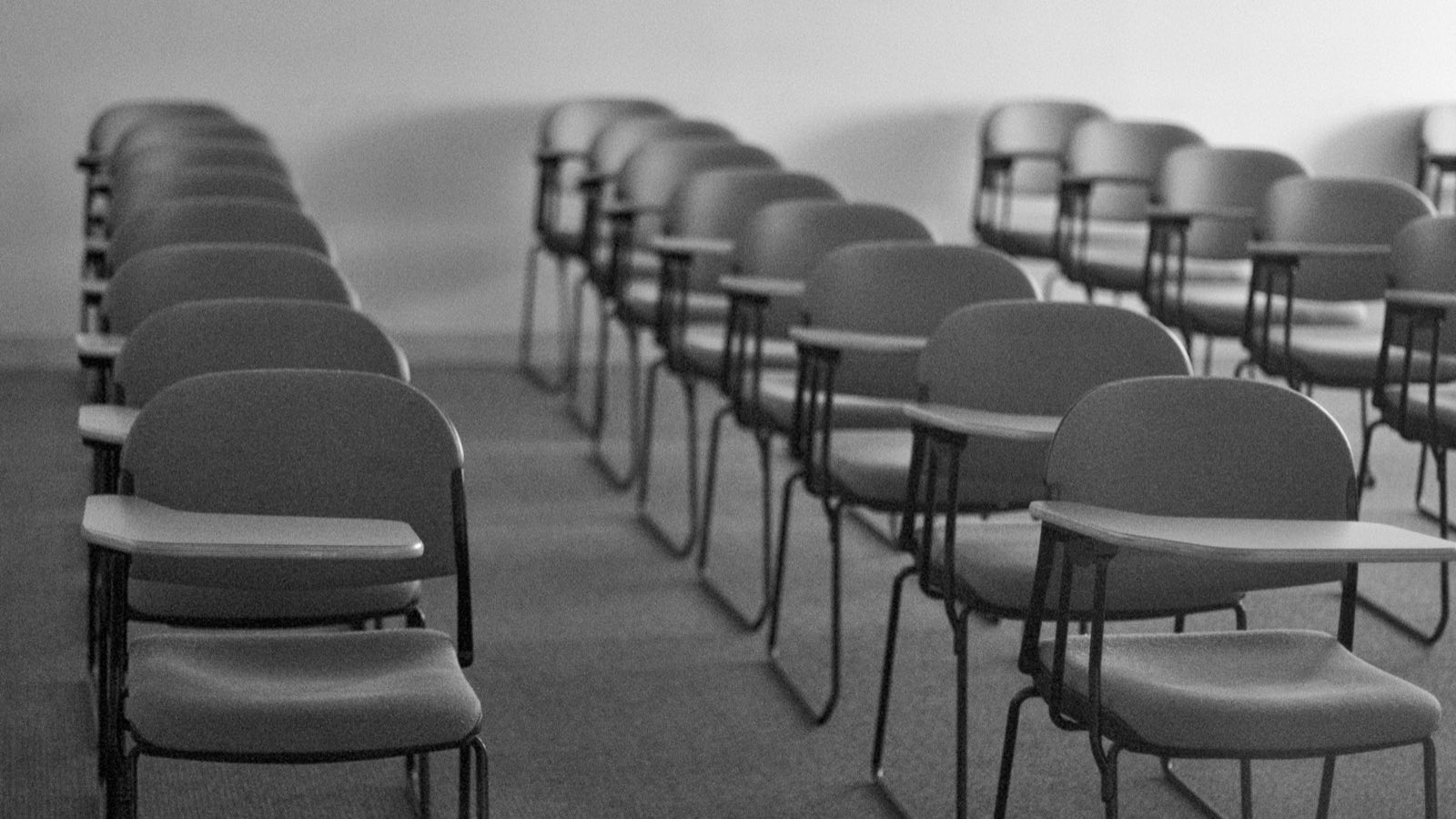

Your event is sold out, and then a third of the chairs stay empty. It's one of the most frustrating parts of hosting: you turned people away, you bought food for a full room, and the people who did come notice the gaps. You can't stop every no-show, because people get sick and plans change. But most no-shows come from a few causes you can do something about. Here's what works, for free and paid events.
Why people with tickets don't come
Most no-shows aren't a decision. Few people look at a ticket and choose not to go. It's usually one of these:
- They forgot. They booked weeks ago and the date never reached their calendar.
- Nothing is at stake. A free ticket took ten seconds to claim, so missing it costs nothing.
- The evening got harder. It's raining, they're tired, and they aren't sure where to go or where to park.
- They can't come and don't know what to do about it. There's no obvious way to give the spot to someone else, so they do nothing.
You'll see no-show percentages quoted online, but they vary too much by event to be much use. A paid workshop with a small group and a free talk in a big room are very different. The number that matters is your own, and we'll show you how to work it out below.
Make the ticket feel like a commitment
People treat a spot the way you present it. A few small things raise its value:
- Use real tickets, not a list of names. A confirmation email with a QR code feels more like a booking than a comment saying "I'm in".
- Set a real limit. On Safara One, a ticket type's quantity is your limit. When fewer than 10 are left, the event page says Few tickets left. A limited spot feels more worth keeping than one in a room with unlimited space.
- Tell people their spot matters. One honest line in your description helps: "We're limited to 20 people, so if you book, someone else misses out."
Consider a small price
Even a small price usually changes how people treat a ticket, because they've made a decision and paid for it. A $5 ticket on Safara One costs the guest $7.38 with the booking fee, and you receive the full $5. You could put that money toward the room or give it to a local cause, and say so on the event page. All sales are final, and buyers agree to that before they pay.
A price does shut out some people, though. If your event needs to be open to everyone, keep a free ticket and add a paid "supporter" ticket next to it. An event can have both, and our guide to pricing event tickets covers the rest. You'll need a Stripe account for paid tickets, so set that up a few days ahead.
Keep the gap short
The longer it's been since someone booked, the less they remember why they wanted to come. Tickets go on sale as soon as you publish, so for a small event, don't publish months ahead. Around three weeks is enough for most, as our guide to promoting a small event explains.
Be careful about ending sales early, too. Someone who books the day before already knows they're free. Unless you need final numbers for catering, leave tickets on sale until close to the start time.
Send one reminder at the right time
A reminder is the most useful thing you can do, and on Safara One it's a single email. Manage Event → Messages sends up to 500 characters to everyone with a confirmed ticket. Each event includes one message, and nothing is sent automatically, so choose the moment yourself.
The day before works best for most events. It's close enough that plans are real, with enough time to arrange a babysitter or a ride. For a morning event, send it the afternoon before. Use Send test to me first to see how it looks.
Don't just repeat the date. A good reminder makes people look forward to coming, removes the small worries, and tells them what to do if they can't make it:
See you tomorrow! Doors open at 6:45 and we start at 7 sharp. We're at 120 King St, second floor, and there's street parking on Elm. You'll leave with your own finished print, so please bring an apron. Can't make it? Forward your ticket email to a friend so your seat isn't empty. If nobody can use it, tell me through Contact host on the event page and I'll offer it to someone else.
You only get one message, so put everything in it. If guests reply to the email, you won't see their reply. That's why the example points them to Contact host, at the bottom of your event page.
Make it easy to pass a spot on
Many no-shows would gladly give away a ticket if they knew how. On Safara One they can forward their ticket email, because the QR code works for whoever shows it. Each ticket checks in once, so a friend can take their place without any change on your side.
Say this somewhere guests will see it. Event Options → Rules is a good place, because rules appear in every ticket email and under the guest's tickets in My Bookings:
- Can't come? Forward this email to a friend. Your ticket will work for them.
- Please arrive by 6:50. We close the door at 7:15 so we don't interrupt the group.
If a guest tells you they're giving up a spot and your event is sold out, you can put it back on sale. Open Edit event and raise the ticket's quantity by one. Guests buy up to 10 tickets each, so if someone booked for a group, ask them to forward a ticket to each friend, so everyone arrives with their own.
Remove the reasons not to leave the house
When it's cold and the sofa looks good, any uncertainty becomes a reason to stay home. Answer these on your event page, and again in your reminder:
- Finding it: the exact door, the floor, and what the entrance looks like. Put this in your description or Rules, where guests will see it.
- Getting there: the nearest transit stop and where to park.
- Knowing what to expect: how long it runs, what to wear, and whether a beginner or someone coming alone will feel welcome. Going alone is a common reason people back out.
Give people a reason to arrive on time, too. If the first 15 minutes are the best part, such as an introduction or a welcome drink, say so.
Should you overbook?
Airlines do it, and it can work for a free event with a big room and an easy door. Work out what share of your guests usually come, then divide your room by that rate. This example is for a room of 30:
| Guests who usually come | Tickets to offer | Extra tickets |
|---|---|---|
| 90% | 33 | 3 |
| 80% | 37 | 7 |
| 70% | 42 | 12 |
These rates are examples, so use your own figures, not ours. There's also a risk: on a good night, everyone comes. Only overbook if all of these are true:
- The event is free. Never overbook paid tickets. Turning away someone who paid and can't get a refund is much worse than an empty chair.
- You have real room to spare, such as standing space or more chairs. Your venue's legal capacity is a hard limit, whatever your tickets say.
- You're confident in your numbers because you've run this kind of event before. For a first event, sell to the size of the room.
A safer option is to wait. Sell up to the size of your room, then add a few more tickets in the final days once you've heard from anyone who can't make it. You can raise a quantity from Edit event at any time.
Measure your turn-up rate
You can only improve what you count, so scan every ticket at the door. Our guide to QR code check-in shows you how. Afterwards, open Manage Event → Guests, count the tickets marked Checked in, and divide by the number of tickets issued. If 24 of 30 tickets were scanned, your turn-up rate is 80%.
Write it down for each event, along with the day, the weather and whether it was free. After three or four events, you'll know what's normal for your guests, and you can plan food, chairs and ticket numbers around that figure.
Questions
Does Safara One send automatic reminders?
No. Your ticket holders get a confirmation with their tickets when they book, and you choose when to send your one included message from Manage Event → Messages.
Can I set up a waitlist?
Not yet. When an event sells out, it simply shows as sold out. If you know people want to come, keep their names yourself and share the link when you add more tickets from Edit event.
Can I charge people who don't turn up?
No. Tickets are paid for when they're booked, and there's no extra charge afterwards. A small ticket price is the closest thing to a no-show fee, and the guest knows about it up front.
Do I have to refund someone who can't come?
All sales on Safara One are final, and buyers agree to that before they pay. Safara One doesn't offer refunds. Guests can forward their ticket to someone else instead.
What should I do on the night if people are missing?
Start on time. Waiting punishes the people who came early. Keep your guest list open for latecomers, and greet them quietly when they arrive.